

Why most leaders don’t fully trust their data
When leaders don’t trust their data, decisions slow and risk rises. This article explains why data trust breaks down and how continuous, automated validation restores confidence across the business.
When leaders don’t trust their data, decisions slow and risk rises. This article explains why data trust breaks down and how continuous, automated validation restores confidence across the business.
When leaders don’t trust their data, decisions slow and risk rises. This article explains why data trust breaks down and how continuous, automated validation restores confidence across the business.

Data quality focuses on fixing isolated issues, but modern organizations need data integrity: continuous, lifecycle-wide validation that prevents silent errors, reduces rework, protects AI initiatives, and strengthens decision making. Learn the steps to build a data integrity program and why it’s becoming essential across the business.
The rapidly changing AI landscape was on display at Oracle’s AI World. Learn how Tricentis helps customers manage risks that come with it.

AI-driven agent sprawl is rising—and so are the risks. Tricentis Data Integrity helps ensure your agents operate on trusted, governed data, reducing chaos and protecting your business.

Public sector leaders are being asked to modernize quickly, govern transparently, and adopt AI responsibly. Data integrity is the foundation that holds all of it together.
By implementing Tricentis tools, Merito enabled a large enterprise to save over $800K annually and shrink test cycles from 6 weeks to 10 days.
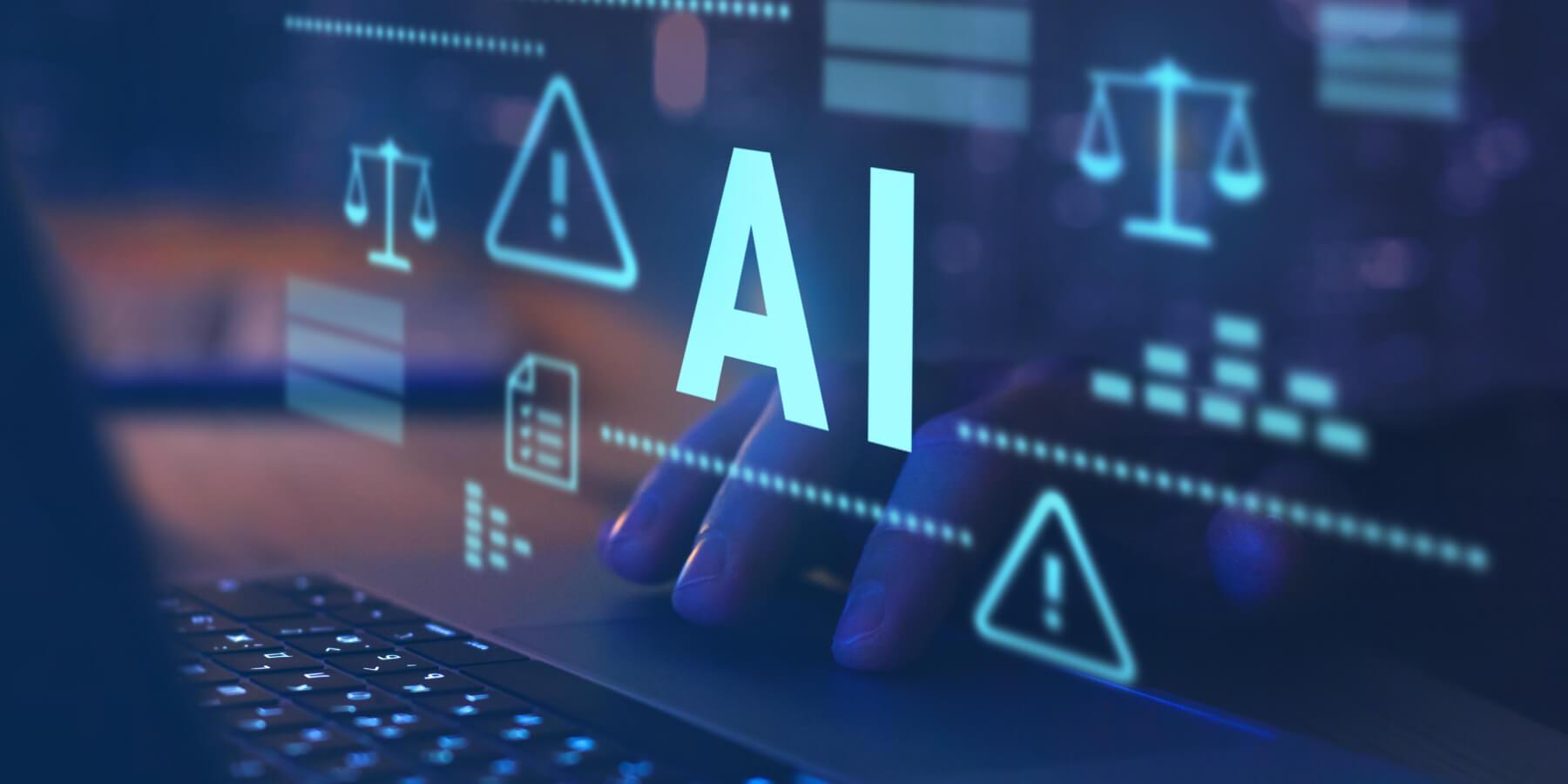
Bad data puts your Oracle environment at risk. Learn how to identify and minimize Oracle data quality issues and integrity gaps before they impact AI readiness.

Organizations must prepare for increased accountability and standardization in data privacy, sovereignty, and ethical AI governance.

AI is only as good as the data it learns from. Without a strong data integrity foundation, AI models risk reinforcing biases, misinterpreting trends, and making flawed predictions — ultimately leading businesses down costly and damaging paths.